


Please select your store

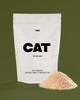
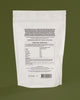
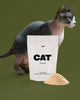


As cat owners, we all feel a sense of joy when their poo is perfect. But when it’s too dry or soft, it can make our cats uncomfortable. This organic fibre supplement not only helps regulate bowel movements by either firming loose stools or softening firm ones, it can even help some cats keep their hairballs under control. It also contains prebiotics, postbiotics and paraprobiotics to support bowel health. And its tasty natural flavour means you can add it to meals with ease.
What’s in it?
Active ingredients: Organic Psyllium Husk, Bio-K9® (a bio-fermented blend of Carrot, Larch, Vegetable Protein Extract, Sea Minerals, S. cerevisiae and L. acidophilus D2)
Inactive ingredients: Inactivated yeast (S. cerevisiae)
Average Quantity per 100g | |
| Energy | 1550kJ (370Cal) |
| Protein | 2.1g |
| Fat, Total -Saturated | 1.2g 1.0g |
| Carbohydrate ‐ Sugars | 5.3g 1.1g |
| Dietary Fibre | 75.3g |
| Sodium | 108mg |
Each Metric teaspoon is 1.6g
What’s not?
Does not contain GMOs, animal-derived products, soy, gluten, nuts or synthetic flavours/colours. Meow to that!
How to use?
Add one quarter (¼) of a metric teaspoon of Fibre to your cat’s food once daily. Then add 1 to 3 teaspoons of water and mix well. Can be increased to twice daily dosing if needed. Always ensure your cat is drinking normally, especially while using this product.
Higher doses may be required for some cats - please consult with your veterinarian for specific dosages
Caution:
Keep out of the reach of children and pets. If your pet has an illness or is taking medication, consult with your veterinarian prior to use.
Storage:
Seal bag and store below 25°C in a dark, dry place.
Our fibre adds bulk to the poop and can improve its consistency. It can be helpful for cats that have irregular, poorly formed stools and for those that are constipated. Fibre is also useful for cats that are prone to hairballs. Have a chat to your vet to see whether it could help your cat.
Many indoor cats experience digestive changes at some point in their lives. Stool consistency varies, hairballs become more frequent, or litter box habits shift slightly.
In the wild, cats naturally consume small amounts of fiber through whole prey—fur, feathers, and connective tissue. These indigestible materials help move food through the digestive tract.
Domestic diets often don’t provide the same natural fiber sources. That’s where cat fiber can help support digestive balance.
A well-formulated cat fiber supplement adds soluble fiber that works gently with your cat’s digestive system to help maintain comfortable, regular bowel movements.
Read More
Digestive systems work best when stool moves through the gut at a steady pace. When transit slows down or becomes irregular, cats may experience constipation, loose stools, or discomfort.
A high-quality fiber supplement for cats can help regulate this process.
Soluble fiber for cats works in two important ways:
This balancing effect is why a well-designed feline fiber supplement can help support overall digestive comfort.
Our cat fiber USA formula uses organic psyllium husk, a widely used soluble fiber ingredient that forms a gentle gel when mixed with liquid. This gel supports smoother digestion without harsh stimulation. It also contains a blend of prebiotics, postbiotics and paraprobiotics to support the microbiome and gut health.
Improving stool consistency is often the first noticeable change when using a cat fiber supplement, but digestive support can also contribute to broader wellness.
Many cat owners use fiber for cats to help with:
Hairballs are a common reason people start looking for cat fiber online. Fiber helps move ingested hair through the digestive system so it can pass naturally instead of forming hairballs.
Our products are developed using high-quality ingredients, including Australia and New Zealand–sourced components where possible, with a focus on plant-based, biodegradable materials and no unnecessary additives. As a B Corp certified brand, we’re also committed to responsible practices, with a portion of revenue supporting animal welfare initiatives.
Adding fiber to your cat’s diet should be gradual.
Start with a small amount and mix it into their food once daily with some extra water.
A typical starting point is about ¼ teaspoon of CAT by Dr Lisa Fiber mixed into food with some extra water. Always ensure your cat has access to fresh water, since fiber for cats works best when adequate hydration is available.
As with most cat care products, consistency matters more than large doses. Small daily amounts often provide the best results. During digestive adjustments, it can also be helpful to keep cat wipes nearby for quick clean-ups if litter box habits are temporarily messy while your cat’s digestion settles.
A feline fiber supplement may be worth considering if your cat:
Digestive changes can sometimes indicate medical conditions, so symptoms should always be discussed with a veterinarian.
For many cats, though, adding cat fiber USAsupplements to their diet can support digestive comfort as part of a broader routine.
Soluble fiber for cats absorbs and holds water in the digestive tract. When stools are loose, fiber absorbs excess moisture and adds structure. When stools are too firm, it draws moisture into the stool to help soften it. This balancing effect helps restore more regular bowel movements.
Start with about ¼ teaspoon of CAT by Dr Lisa Fiber mixed into food once daily with some extra water. The exact amount may vary depending on your cat’s size and diet. If you’re unsure, consult your veterinarian for guidance.
Yes. Too much cat fiber can cause bloating, gas, or overly large stools. That’s why it’s important to start slowly and increase gradually if needed.
For many cats, yes. A fiber supplement for cats helps swallowed hair move through the digestive tract instead of accumulating in the stomach. Combined with regular brushing, this can reduce hairball frequency over time.
Read Less


